Provincial Nominee Program 2027: 100,000 Extra PR Spaces
Canada has given provinces and territories until March 31, 2027 to use extra Provincial Nominee Program (PNP) spaces for workers who are already in the country. IRCC announced the measure on November 12, 2026, and says it covers up to 100,000 workers and their families. That is 139 days from the announcement, which makes this one of the most time-sensitive immigration stories for temporary workers this year.
If you are on a work permit in Sault Ste. Marie or elsewhere in Northern Ontario, you may be wondering what the Provincial Nominee Program 2027 changes mean for you. The honest answer is that it depends on your province, because the extra spaces are optional and no provincial plans have been published. This blog explains what IRCC has confirmed, who may benefit, what is still unknown, and how to prepare.
It is based on IRCC’s announcement and backgrounder, and it flags what the government has not yet said. Immigration measures like this can change quickly, so please treat it as a starting point and not a guarantee.
Not sure if this applies to your situation? Book a consultation with iCA Immigration and Talent Services today and get clarity from a licensed RCIC.
👉 https://www.ica-immigration.ca/book-a-consultation
Provincial Nominee Program 2027: What Was Announced
On November 12, 2026, Immigration Minister Lena Metlege Diab gave more details on a time-limited measure first announced in Budget 2026. IRCC is giving provinces and territories extra PNP allocations, enough for a combined total of up to 100,000 workers and their families to become permanent residents in 2027. The allocations must be used by March 31, 2027.
Part of a Larger Measure
IRCC’s backgrounder describes a 2027 measure to help up to 200,000 people already living in Canada transition to permanent residence. It has two groups. The first is up to 100,000 workers and their families, through the extra PNP space. The second is up to 100,000 people for humanitarian and family reasons.
The humanitarian and family group includes up to 32,000 Hong Kong pathway applicants, 18,800 Ukraine Family Reunification Pathway applicants, 12,600 people already found eligible on humanitarian and compassionate grounds, and 45,000 spouses, partners, and dependent children of Canadian citizens and permanent residents in Canada. IRCC has not explained in the page we reviewed how these groups relate to the 100,000 figure.
What the Measure Does Not Do
IRCC states that this measure creates no new programs and reopens no closed pathways. It also says it is separate from other in-Canada worker initiatives. In other words, it adds capacity to existing PNP processes.
Who May Benefit From the Extra Spaces
The extra spaces are meant for workers who are already established in a province or territory and who meet its labour market needs. Provinces choose which workers to nominate, so the final decisions are local.
Workers Already in Canada
IRCC says the measure is for workers already in Canada and their families. Provinces and territories will identify eligible workers in their jurisdictions. As a result, your chances depend on your province’s streams, your occupation, and your employer.
Workers Already Waiting for a Decision
Provinces and territories can also identify workers who have already applied for permanent residence and are waiting for a decision. IRCC lists applicants under these programs:
- The Atlantic Immigration Program
- The Start-up Visa Program (closed to new applications)
- The Self-Employed Persons Program (closed to new applications)
- The Agri-Food Pilot (closed to new applications)
- Home care worker programs (closed to new applications)
IRCC says applicants do not need to take any action or contact IRCC for their applications to be processed under these additional spaces.
Every immigration case is unique. Before making any decisions, speak with Jennifer Johnson, RCIC at iCA Immigration and Talent Services to review your specific circumstances.
👉 https://www.ica-immigration.ca/book-a-consultation
How the Provincial Nominee Program 2027 Spaces Work
The measure works through the provinces and territories, not through a new federal application. The process still follows the usual PNP path: a province nominates a worker, and IRCC then processes the application for permanent residence. IRCC makes the final decision on every application.
Optional for Provinces
The extra allocations are an offer, not a requirement. Provinces and territories choose how much of the space to use and who to nominate. Some may use all of it, some part of it, and some none.
The March 31, 2027 Deadline
The March 31, 2027 date applies to provinces and territories, not to individual applicants. It is the date by which allocations must be used to transition workers to permanent residence in 2027. IRCC has not described an applicant deadline.
What Is Not Yet Known
As of November 17, 2026, IRCC has not provided further clarification on which provinces will use the extra spaces, how many each will receive, or which streams will be involved
What This Means for Northern Ontario Workers
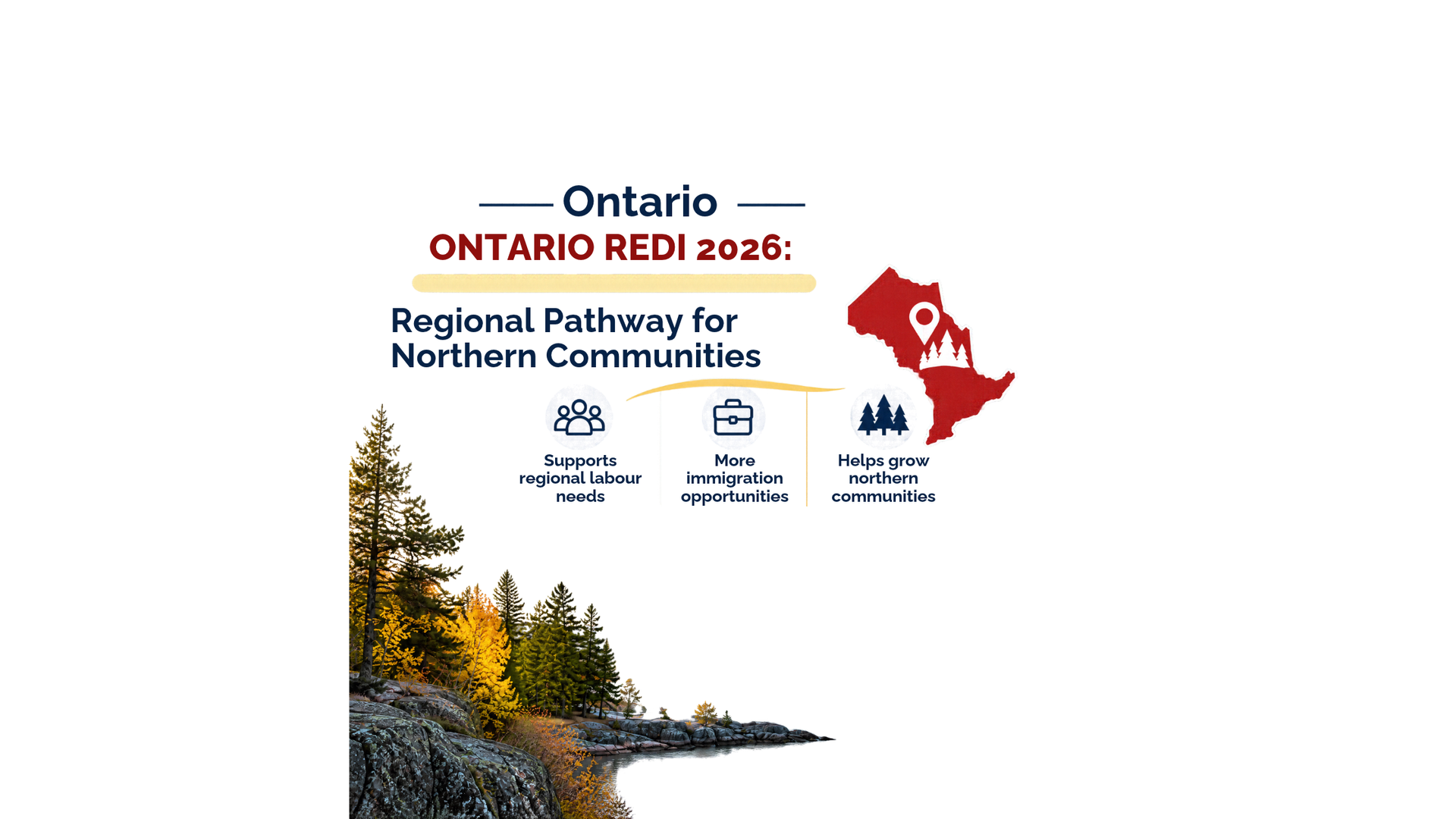
Ontario has not announced how it will use the extra spaces, and we did not find an announcement on this from the Ontario government. Until it does, workers in Sault Ste. Marie and Northern Ontario should not assume they will be nominated. They should, however, make sure their files are ready.
Pathways to Compare
Depending on your situation, these options may be worth reviewing:
- The Ontario Immigrant Nominee Program, where the Ontario Workforce Priority stream is the open stream
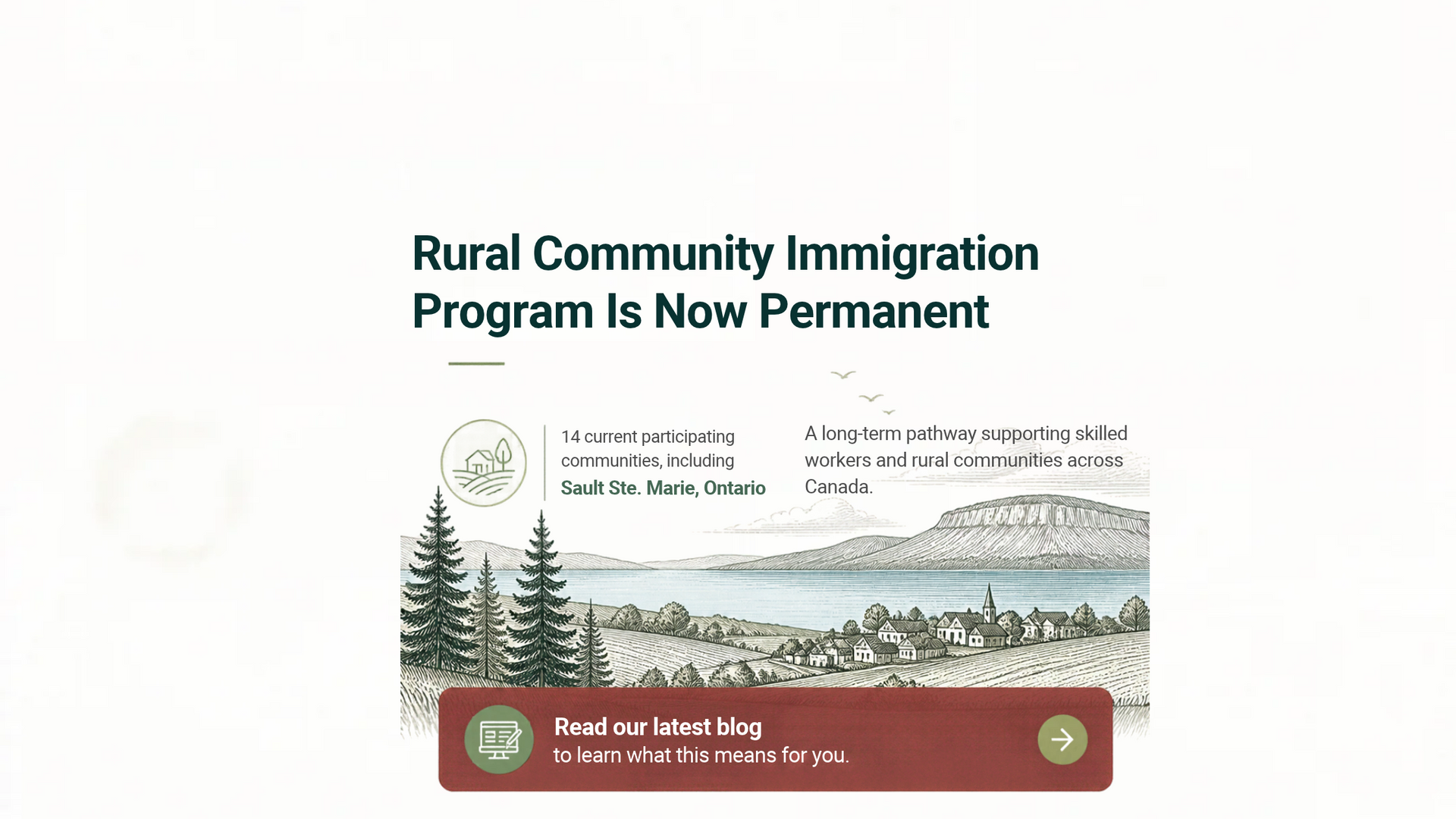
- The Rural Community Immigration Program, which IRCC says will become permanent, with Sault Ste. Marie among the expected communities
- Express Entry, where the new high-wage points rules came into effect on November 3, 2026
How to Prepare Now
- Confirm your work permit expiry date and plan any renewal
- Gather your job offer letter, pay records, and employment history
- Check your language test results and their expiry dates
- Prepare your education documents and check your education credentials assessment
- Make sure your NOC code matches your actual duties
Common Mistakes to Avoid
Assuming your province will use the spaces. The allocations are optional, and no provincial plans have been published.
Missing a work permit expiry. A nomination does not extend your status. Keep your temporary status valid.
Waiting for an announcement to start preparing. If a province opens a process, timelines may be short.
Confusing this with a new program. IRCC states that the measure creates no new programs and reopens no closed pathways.
Expecting a guarantee. A nomination is not an approval. IRCC makes the final decision.
Ready to Take the Next Step?
Canada’s immigration rules change frequently and deadlines can be unforgiving. Whether you are just starting to explore your options or ready to submit your application, iCA Immigration and Talent Services is here to guide you every step of the way.
Jennifer Johnson is a Regulated Canadian Immigration Consultant (RCIC #R709916) based in Sault Ste. Marie, Ontario, serving clients across Northern Ontario and beyond.
Book your consultation today:
👉 https://www.ica-immigration.ca/book-a-consultation
Frequently Asked Questions
Q: What are the extra Provincial Nominee Program spaces for 2027?
A: IRCC is giving provinces and territories extra Provincial Nominee Program allocations, enough for up to 100,000 workers and their families to become permanent residents in 2027. The spaces are for workers already in Canada, and provinces must use them by March 31, 2027. Use is optional, and IRCC has not published how many spaces each province will receive. iCA Immigration and Talent Services can help you understand how this may apply to you.
Q: Do I need to do anything special get one of the extra PNP spaces?
A: No separate federal application exists for this measure. IRCC says it creates no new programs and reopens no closed pathways. Provinces and territories identify eligible workers, and applicants who are already waiting for a decision do not need to contact IRCC. If you want a provincial nomination, you still need to meet the requirements of an open provincial stream and submit your application for nomincaiton. iCA Immigration and Talent Services can review which options may suit you.
Q: What is the March 31, 2027 deadline for provincial nominations?
A: March 31, 2027 is the date by which provinces and territories must use the extra allocations to transition workers to permanent residence in 2027. It is a deadline for governments, not for individual applicants. IRCC has not described an applicant deadline. Because timelines may be short once a province opens a process, it is wise to prepare your documents early. iCA Immigration and Talent Services can help you get ready.
Q: Will Ontario use the extra PNP spaces for workers in Northern Ontario?
A: As of November 17, 2026, we did not find an announcement from Ontario on whether or how it will use the extra spaces. The allocations are optional for provinces, so no worker should assume a nomination. Workers in Sault Ste. Marie can still review options such as the Ontario Workforce Priority stream and the Rural Community Immigration Program. Contact iCA Immigration and Talent Services to compare pathways for your situation.
Q: Who is eligible for the 100,000 in-Canada worker spaces?
A: IRCC says the spaces are for workers already established in a province or territory who meet its labour market needs, along with their families. Provinces can also identify workers waiting for a decision through the Atlantic Immigration Program and certain closed federal programs. Each province decides who to nominate, so eligibility depends on location, occupation, and employer. iCA Immigration and Talent Services can review your profile and explain your options.
References
All information in this blog has been verified against official Canadian government sources as of November 17, 2026.
- IRCC, Minister Metlege Diab highlights how Canada is working with provinces and territories to support worker retention (November 12, 2026) — https://www.canada.ca/en/immigration-refugees-citizenship/news/2026/11/minister-metlege-diab-highlights-how-canada-is-working-with-provinces-and-territories-to-support-worker-retention.html
- IRCC, Building a stronger Canada through a well-managed, predictable immigration system (November 5, 2026) — https://www.canada.ca/en/immigration-refugees-citizenship/news/2026/11/building-a-stronger-canada-through-a-well-managed-predictable-immigration-system.html
- IRCC, Overview of the Rural Community Immigration Program (November 9, 2026) — https://www.canada.ca/en/immigration-refugees-citizenship/news/2026/11/overview-of-the-rural-community-immigration-program.html
Note: Immigration policies change frequently. While every effort has been made to ensure accuracy, we recommend verifying current requirements at canada.ca or booking a consultation with a licensed RCIC before making any immigration decisions.