Canada’s Immigration System Reset 2026–2028
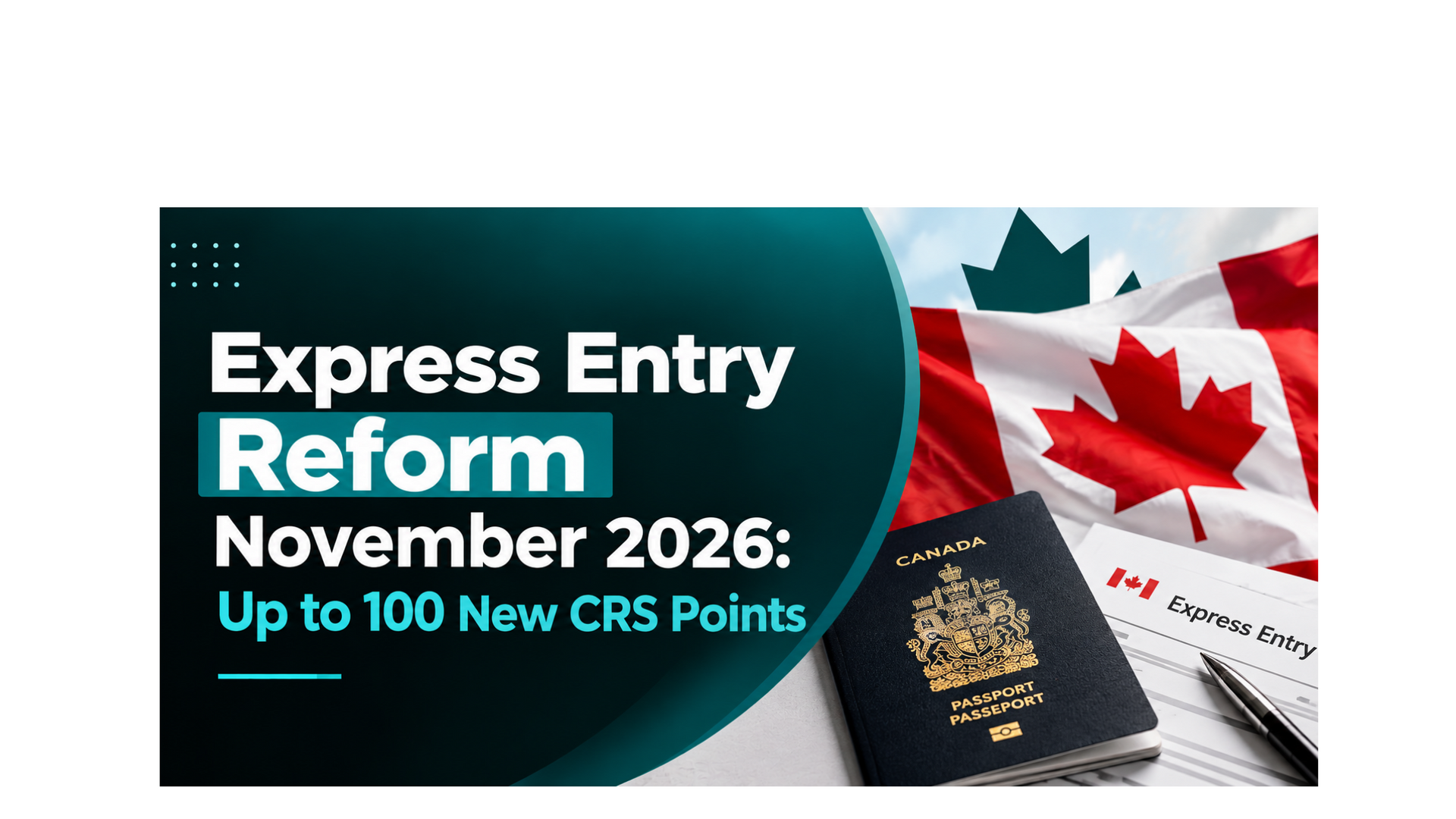
Canada’s immigration system was redesigned in 2026. Learn how selection rules, employer power, and regional targeting now decide who gets PR.
Canada’s Immigration System Reset 2026–2028: How Selection Rules Have Changed
Canada is no longer running an immigration lottery.
In
2026, the federal government completed a full reset of how permanent residence is granted, shifting from volume-based intake to
targeted workforce planning.
Instead of asking, “How many immigrants should Canada accept?”
The system now asks, “Which workers does Canada need, and where?”
This shift explains why thousands of high-scoring applicants now wait in Express Entry while nurses, welders, truck drivers, and bilingual professionals are invited quickly — even with lower CRS scores.
Canada’s 2026–2028 immigration framework links three systems into one pipeline:
- Express Entry
- Provincial Nominee Programs
- Regional employer programs
Understanding this alignment is the difference between waiting years versus getting PR in months.
Why Canada Changed Its Immigration Model
Canada’s labor shortages are no longer theoretical.
By mid-2026:
- Over 1.2 million job vacancies remain unfilled
- 35% of healthcare workers are projected to retire by 2030
- Construction and transportation face national deficits
The government responded by redesigning selection to prioritize:
- Immediate workforce impact
- Regional population growth
- Employer verification
Immigration is now treated as economic infrastructure, not just population growth.
How Selection Works in 2026
Immigration is now controlled by three filters:
1. Occupational Demand
Only people in shortage occupations receive fast invitations.
2. Regional Targeting
Smaller provinces and communities receive most nominations.
3. Employer Validation
Having an in-demand job with a legitimate Canadian employer significantly increases your chances of immigration approval in 2026. Immigration decisions are no longer based solely on profiles in a pool; they are increasingly tied to verified labour needs and real hiring demand.
Because of this shift, immigration pathways no longer operate in isolation. An eligible job offer can strengthen an Express Entry profile, trigger a Provincial Nominee Program nomination, or support participation in regional immigration programs. In 2026, Express Entry, PNPs, and employer-supported pathways are designed to work together, with employer demand acting as the connecting factor that accelerates selection and approval.
You can see this shift clearly in
Express Entry 2026 – Why CRS No Longer Decides PR.
Why High CRS Is No Longer Enough
In 2026, over
52% of Express Entry profiles score above 480.
But most invitations go to category-based and regional streams with cutoffs as low as
390–430.
That is because the government is prioritizing fit over rank.
A truck driver with a job in Saskatchewan is more valuable than a general applicant with 520 CRS.
Who Benefits Most From the 2026 Reset
You are in a strong position if you:
- Work in healthcare, trades, transport, or agri-food
- Are already in Canada
- Have a job offer with Canadian employer
- Live outside Toronto or Vancouver
Those profiles dominate Canada PR approvals in 2026.
Challenges and Solutions
Challenge: Express Entry feels unpredictable
Solution: Combine it with provincial and employer-based options
Challenge: Too much competition in big cities
Solution: Target regional programs and PNP streams
Conclusion
Canada’s 2026 immigration system is not harder — it is
more strategic.
Applicants who align with
labor demand, regional growth, and employer needs are moving faster than ever.
To understand how to position yourself inside this system, continue with:
Express Entry 2026 – Why CRS No Longer Decides PR
Now is the time to stop guessing — and start planning.